
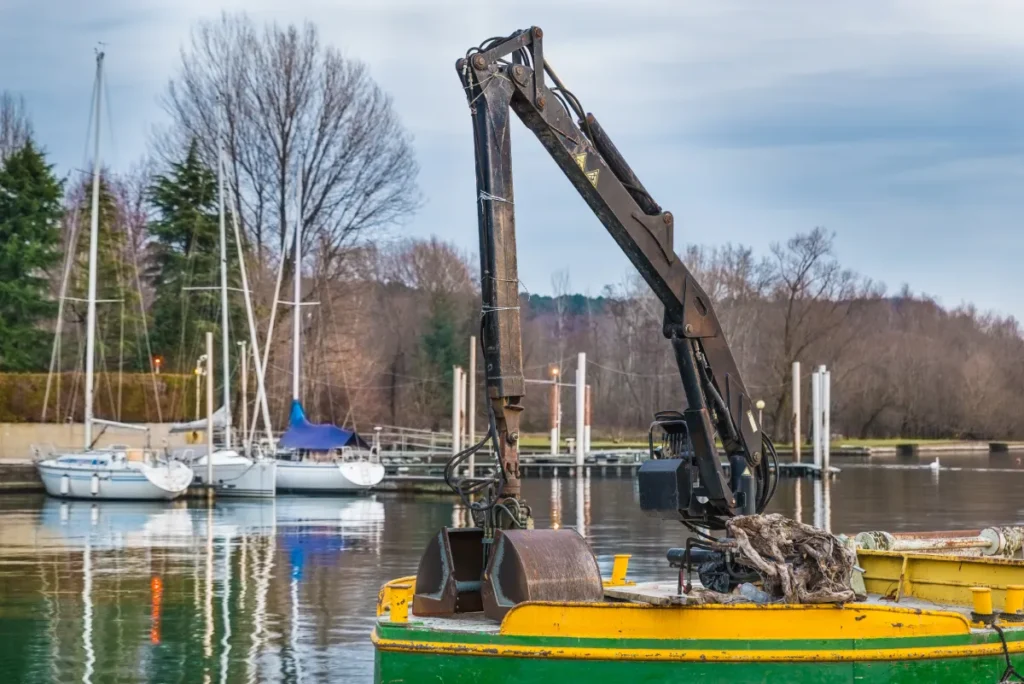
Small dredging equipment isn’t just a scaled-down version of traditional dredgers; it’s the backbone of modern, on-site water maintenance, where precision, portability, and minimal disruption matter more than brute power. Whether it’s clearing sludge from hotel lagoons before tourist season, desilting farm ponds to restore water storage, or maintaining industrial settling basins without halting operations, these compact machines are quietly transforming everyday dredging tasks. Instead of requiring massive barges, crew, and permits, small dredging equipment offers a bring-it-on-a-truck, launch-in-minutes solution, designed for professionals who need results, not delays. It’s practical, budget-friendly, environmentally sensitive, and built for real-world challenges where every hour and every inch of access counts.
Across industries, the adoption of dredge equipment has evolved from a heavy-duty, large-scale operation to a more refined, specialized process. Municipal bodies use it to restore stormwater retention ponds and drainage channels, while the marine sector relies on it to maintain marina depths and shoreline stability. In oil & gas and mining, small dredgers play a crucial role in tailings pond management and site reclamation, reducing environmental risk and operational downtime. Environmental restoration projects also benefit from precision dredging that preserves aquatic ecosystems while improving water quality and navigability.
What makes small dredging equipment particularly valuable is its ability to deliver high performance at a fraction of the operational cost. Compact systems minimize fuel consumption, facilitate transport, and enable operators to work efficiently in confined or shallow environments. For example, small-pond dredging equipment is designed to remove sludge and sediment with pinpoint accuracy, improving water quality and extending the lifespan of ponds and reservoirs. These advantages make small-scale dredging solutions a practical choice for organizations seeking reliable, cost-effective, and environmentally responsible maintenance of aquatic assets.
Understanding Small Dredging Equipment
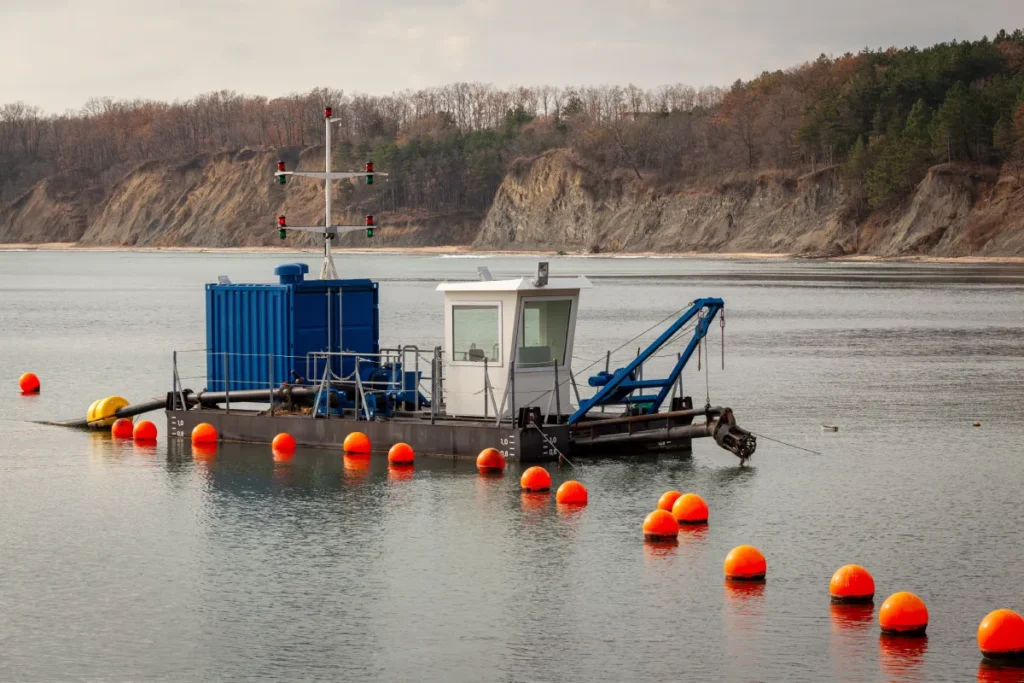
Small dredging equipment refers to compact, purpose-built systems engineered to remove sediment, sludge, and debris from confined or shallow water environments where traditional dredgers cannot operate efficiently. Unlike large dredgers designed for deep-water or large-scale projects, small systems emphasize mobility, precision, and operational simplicity. Their compact design allows deployment in ponds, canals, marinas, and industrial basins without disrupting surrounding infrastructure or ecosystems. Despite their size, these units deliver impressive power and flow rates, supported by advanced automation and remote-control features that improve accuracy and reduce workforce requirements.
Mobility, power, flexibility, and automation are the main attributes that distinguish small dredging equipment. For contractors overseeing several projects, mobility guarantees quick deployment and simple movement between locations. High-efficiency pumps and robust parts that manage a variety of sediment types, from silt to heavy slurry, provide the power. Automation improves operational control through features such as real-time monitoring and customizable suction performance. At the same time, versatility enables operators to switch between dredging modes or tools based on the project’s scope.
When compared with conventional or large-scale dredge equipment, small dredgers offer a more practical solution for localized maintenance, emergency response, or cost-sensitive operations. They are ideal for dredging in restricted spaces, such as small marinas, lagoons, or reservoirs, where deploying a full-sized dredger would be inefficient or logistically challenging. This makes small pond dredging equipment especially valuable for municipal, agricultural, and private facilities aiming to maintain water depth and quality with minimal disturbance.
Financially speaking, small dredging equipment often yields a higher return on investment (ROI) in smaller-scale projects. Over time, lower ownership costs result from reduced fuel consumption, fewer employees, and easier maintenance. Furthermore, equipment longevity is enhanced by modular components and electric or hydraulic systems, which minimize downtime and ensure consistent operating costs across multiple dredging cycles.
Pond Maintenance and Restoration
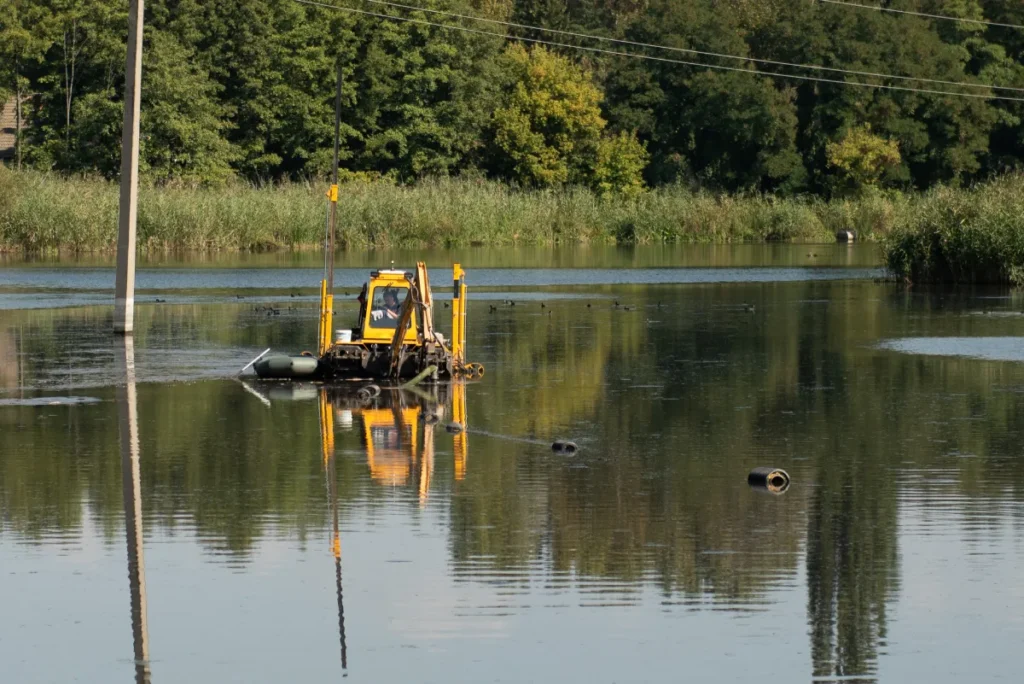
Effective pond maintenance requires precise sediment removal, controlled algae management, and consistent water quality restoration, tasks that small pond dredging equipment handles with exceptional efficiency. Over time, ponds accumulate organic matter, silt, and debris that reduce depth, limit oxygen levels, and encourage excessive algae growth. Small dredging equipment is designed to address these issues by targeting sediment extraction that restores hydraulic capacity and enhances water circulation, without draining or damaging the pond ecosystem. By removing nutrient-rich sludge, the system directly reduces algae proliferation and helps maintain stable ecological conditions, resulting in cleaner, healthier water bodies.
Typical applications for small-pond dredging equipment include golf-course ponds, farm lagoons, stormwater retention basins, and industrial water reservoirs. In these settings, sediment buildup not only affects aesthetics and functionality but can also lead to costly drainage or overflow issues. Municipalities deploy dredge equipment for regular pond restoration to prevent flooding during heavy rainfall, while agricultural facilities rely on it to maintain irrigation efficiency and waste lagoon performance. Industrial operators use compact dredgers to manage wastewater holding ponds, ensuring regulatory compliance and operational continuity.
The technical benefits of small dredging equipment are especially noticeable in operations that require accuracy and minimal site disturbance. These devices save downtime and labor expenses since they are lightweight, portable, and deployable in a matter of hours. Because of their small footprint, operators may operate in vegetated or constrained spaces that are inaccessible to giant dredgers. Additionally, sophisticated control systems guarantee steady suction flow, accurate sediment targeting, and decreased turbidity, safeguarding surrounding plants and aquatic life.
In less than two weeks, a small hydraulic dredge equipment unit effectively repaired a silted drainage pond as part of a municipal cleanup project, removing more than 800 cubic meters of sediment. The procedure didn’t interfere with nearby facilities and required very little physical involvement. Similarly, after integrating small dredging equipment into their regular pond management programs, industrial sites have reported a 40% increase in water retention capacity and a decrease in maintenance frequency, exhibiting quantifiable environmental and financial benefits.
Inland Waterway Management
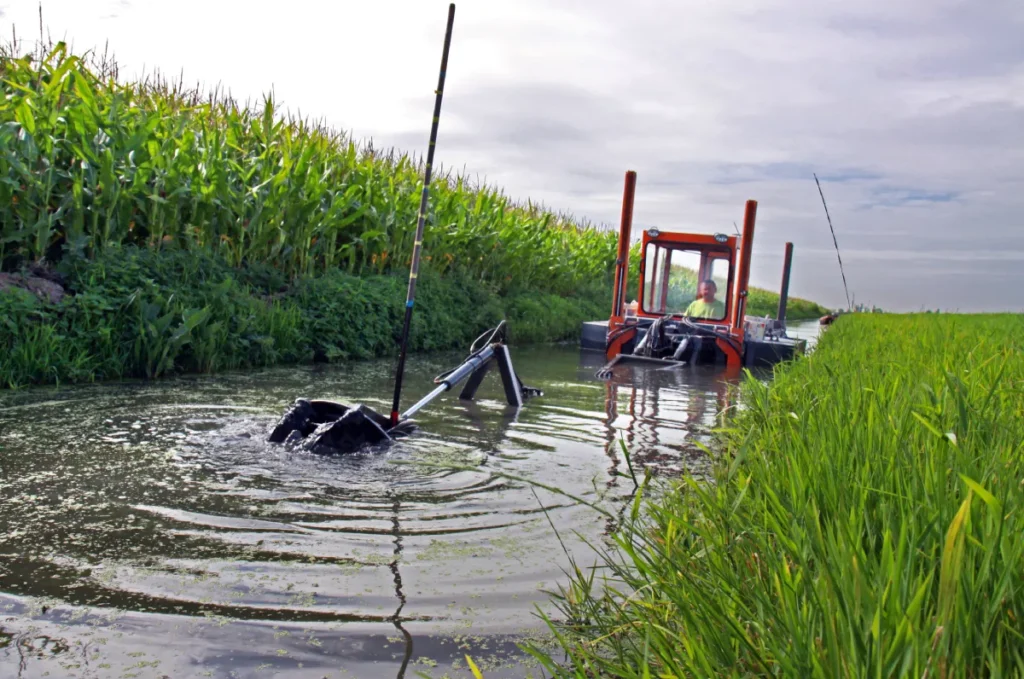
Sediment buildup in rivers, canals, and drainage channels is a persistent challenge that affects water flow, storage capacity, and infrastructure performance. Over time, silt and debris reduce channel depth, restrict hydraulic efficiency, and increase the risk of flooding and erosion. Small dredging equipment offers a highly effective solution for these scenarios, combining mobility, precision, and ease of deployment to maintain waterways without extensive civil intervention. Its ability to operate in narrow or shallow sections makes it indispensable for ongoing maintenance in both urban and rural drainage systems.
In flood prevention projects, small dredging equipment is used to clear accumulated sediment and vegetation that obstruct water passage, ensuring consistent flow during heavy rainfall events. Municipal authorities and environmental contractors rely on compact dredge equipment for proactive flood mitigation, particularly in vulnerable low-lying regions. Similarly, irrigation departments use these systems to restore canal efficiency and maintain uninterrupted water delivery to agricultural zones. The equipment’s controlled suction and discharge capabilities make it ideal for stormwater management applications, where precise sediment removal improves drainage capacity and reduces contamination from runoff.
One of the defining advantages of small dredging equipment lies in its logistics and mobility. Its modular design allows quick assembly and transportation, even to remote or restricted-access areas. This flexibility enables government and municipal teams to perform regular maintenance without requiring large-scale mobilization or heavy crane operations. In many cases, these smaller systems can be deployed directly from trailers or pontoons, further reducing setup time and project costs.
To enhance efficiency and transparency, modern units are now integrated with advanced remote monitoring systems. These digital platforms provide real-time operational data, including sediment removal volume, pump performance, and fuel usage. For municipal and industrial stakeholders, such integration allows centralized oversight, improved decision-making, and verifiable reporting on environmental compliance. Whether used in stormwater networks, irrigation channels, or riverbank stabilization, small-pond dredging equipment continues to prove its value as a reliable, data-driven tool for maintaining critical water infrastructure.

Cross-Sector Applications: Industrial and Energy Projects
In industrial environments such as oil and gas tailings ponds, mining reclamation sites, and power plant cooling lagoons, sediment control and sludge management are critical to both operational continuity and environmental compliance. Small dredging equipment has become an essential asset in these settings, offering precise, safe, and cost-efficient sediment removal where larger dredgers are impractical or too disruptive. These compact systems can operate in confined or hazardous environments, extracting accumulated materials such as tailings, silt, or ash without interrupting core operations.
In the oil and gas sector, small dredging equipment is frequently used to maintain tailings ponds, preventing excessive buildup that can compromise containment capacity and safety. Its maneuverability and low ground pressure design allow access to remote or soft-ground sites with minimal setup time. Similarly, in mining reclamation, compact dredge equipment is utilized to recover valuable minerals from sediment deposits while simultaneously restoring water quality in abandoned pits or process ponds. For power plants, these systems effectively clean cooling lagoons and wastewater treatment basins, ensuring optimal performance and regulatory adherence.
One of the most significant advantages of small dredging equipment in these industrial applications is its ability to minimize downtime and operational costs. Unlike conventional dredgers, which require extensive mobilization and support infrastructure, smaller units can be deployed rapidly, operated with minimal personnel, and powered by electric or hydraulic systems for greater energy efficiency. This translates directly into lower fuel consumption, reduced carbon footprint, and faster turnaround between maintenance cycles. The design of modern compact dredgers also reduces the risk of accidental spills or structural damage, thereby mitigating environmental liabilities that often accompany industrial-scale sediment management.
Safety and scalability remain top priorities for industrial buyers investing in small pond dredging equipment. Many systems now include automated controls, remote operation capability, and emergency shut-off functions to ensure safe operation even in high-risk environments. Their modular construction allows scalability; operators can expand dredging capacity or customize attachments based on sediment type or project scope. Whether used for routine maintenance or emergency cleanup, small dredging equipment and modern dredge equipment configurations deliver the reliability, precision, and performance required by today’s energy and resource industries. Moreover, small pond dredging equipment continues to demonstrate its adaptability, proving effective in both large-scale industrial projects and smaller, high-precision reclamation initiatives.
Performance and ROI Benefits of Small Dredging Equipment
The operating skills of small dredging equipment are only one aspect of its performance and economic value. Compact dredging technologies consistently outperform conventional models in terms of cost-effectiveness, energy consumption, and maintenance requirements, as assessed using both quantitative and qualitative parameters. For sectors ranging from municipal maintenance to mining and energy operations, its streamlined design and precision control systems result in quantifiable increases in productivity and long-term return on investment (ROI).
The exceptional fuel economy of small dredging equipment is one of its main benefits. Compared with traditional diesel-powered dredgers, electric or hybrid-driven models can cut fuel consumption by up to 40%, thereby reducing operating costs and emissions. Another important consideration is transportation costs. Smaller dredgers can often be transported on regular trailers or light-duty trucks, eliminating the need for cranes or specialized logistics. Equally important is maintenance reduction: downtime is reduced, and planned service may be carried out more effectively with fewer moving parts and modular components. Small dredging equipment units have demonstrated both durability and simplicity of servicing, with operating uptimes surpassing 90% in industry tests.
From a lifecycle economics perspective, owning small dredging equipment provides greater cost predictability and operational control compared to outsourcing dredging services. Contractors and facility operators can execute maintenance schedules on their own timelines, avoiding delays and premium charges associated with third-party mobilization. Over a five-year period, ownership can result in total cost savings of 25–35%, depending on usage frequency and material volume handled. For smaller facilities, leasing or renting may still be a viable option, but the payback period for ownership is often achieved within the first few major dredging cycles, particularly when small pond dredging equipment is used for recurring sediment control or pond restoration projects.
Case metrics from municipal and industrial projects further validate these benefits. A 30 kW portable dredge equipment unit was documented to remove approximately 180 cubic meters of silt per hour in a confined stormwater pond, while maintaining over 95% uptime across a three-month operation. Similarly, the use of small pond dredging equipment in agricultural water reservoirs reduced manpower requirements by nearly 50%, as automation and remote operation eliminated the need for manual sediment agitation. These results highlight how compact, data-driven dredging systems combine performance, efficiency, and sustainability, key factors for organizations seeking reliable long-term asset management solutions.
Conclusion
In the evolving landscape of modern infrastructure and environmental management, small dredging equipment has emerged as an essential tool for maintaining operational efficiency, ensuring waterway stability, and promoting ecological balance. Its value extends far beyond simple sediment removal, these systems enable industries, municipalities, and environmental agencies to manage water resources proactively and sustainably. Compact yet powerful, small dredging equipment supports critical applications ranging from stormwater control and canal maintenance to pond restoration and industrial waste management. Its role in safeguarding both economic and environmental assets underscores its growing importance across diverse sectors.
What distinguishes these systems is their balance between technical capability, mobility, and cost-efficiency. Unlike conventional dredge equipment, which can be resource-intensive to deploy and maintain, compact dredgers are engineered for agility, energy efficiency, and precision performance. Their lightweight, modular construction allows easy transport to remote or confined sites, while automation and advanced control systems deliver consistent dredging accuracy. This combination of power and portability ensures reliable sediment management with reduced fuel consumption and manpower requirements. For projects involving smaller water bodies such as lagoons, canals, or reservoirs, small pond dredging equipment offers a scalable and cost-effective alternative without compromising on results.
Organizations operating in sectors such as mining, oil and gas, municipal water management, and agriculture increasingly turn to dredge equipment designed for measurable performance and sustainability. The integration of digital monitoring tools and eco-efficient pumping systems further enhances return on investment by minimizing downtime and operational waste. From restoring stormwater basins to maintaining irrigation channels, small pond dredging equipment continues to demonstrate adaptability and reliability in real-world applications. Its ability to combine technical performance with economic efficiency makes it a preferred choice for long-term asset maintenance and regulatory compliance.To experience the full potential of this technology, explore Dredgeflow’s comprehensive range of precision-engineered solutions. As a trusted manufacturer specializing in advanced dredge equipment, Dredgeflow delivers systems tailored to diverse field conditions and performance objectives. Their lineup of small dredging equipment and small pond dredging equipment is built to provide measurable results, enhancing productivity, ensuring environmental compliance, and reducing lifecycle costs for operators worldwide. Whether your project demands versatility, durability, or precision, Dredgeflow’s innovative designs ensure your dredging operations remain efficient, sustainable, and future-ready.