
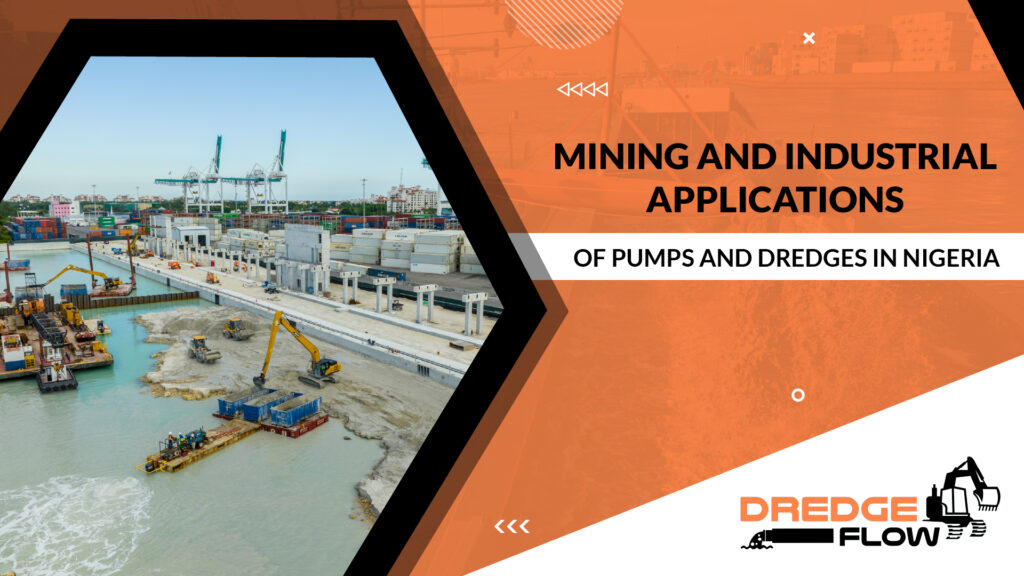
Nigeria’s mining and industrial sectors are seeing renewed activity as new projects move from planning to execution. From alluvial mining and quarry operations to port dredging and site dewatering, project success depends heavily on the right industrial pumps and dredges. These systems are not just support equipment; they directly affect productivity, operating costs, and project timelines across Nigeria projects.
This blog examines real-world mining applications and industrial use cases in which pumps and dredges play a critical role. It explains how different project conditions in Nigeria influence equipment selection and how Dredge Flow’s pumping and dredging solutions are applied to meet these demands in a practical, field-ready way.
Why Mining and Industrial Pumping Matter in Nigeria Today
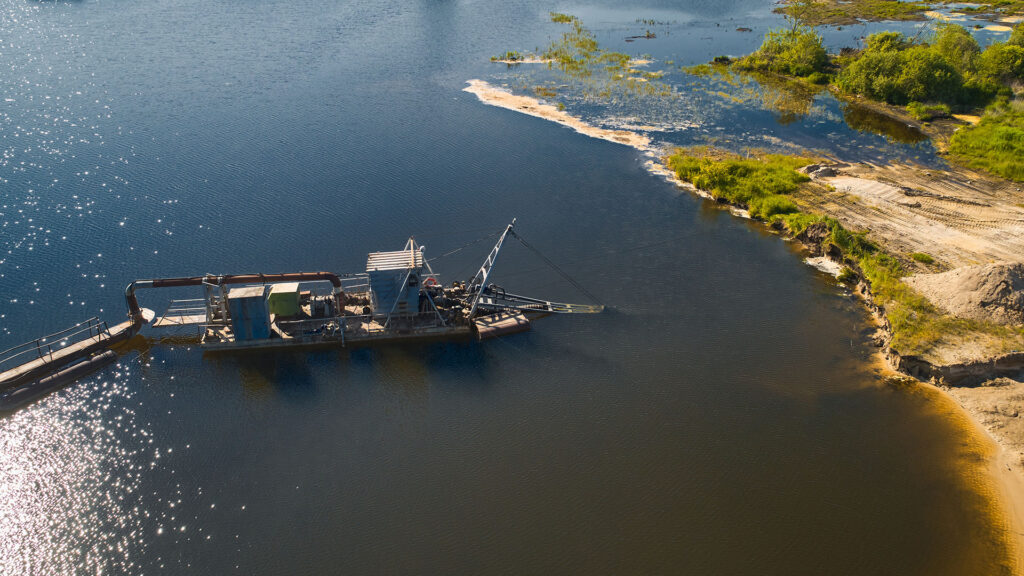
Nigeria is repositioning its mining sector as a serious contributor to the economy. Policy changes, licence reviews, and renewed interest from private operators are pushing more Nigerian projects from exploration into active development. As this shift happens, one challenge appears across almost every site: managing water, slurry, and sediment efficiently.
Mining operations in Nigeria often deal with high water tables, seasonal flooding, abrasive materials, and limited site infrastructure. These conditions make industrial pumps and dredges essential from the very start of a project. Dewatering keeps pits operational, slurry pumps move mineral-rich material to processing plants, and dredges support alluvial mining and access-channel maintenance.
For operators, the impact is direct. The right pump or dredge reduces downtime, controls wear costs, and keeps production stable during wet seasons. Poor equipment choices, on the other hand, quickly lead to breakdowns, lost output, and higher maintenance spend. This is why mining applications across Nigeria increasingly focus on durable, site-proven pumping and dredging solutions rather than generic equipment.
In the next section, we examine the types of mining and industrial projects in Nigeria where these systems are most widely used and why their role continues to grow.
Where Pumps and Dredges are Used Across Nigeria Projects
Mining and industrial activity in Nigeria covers a wide range of operating conditions. While the minerals and locations vary, the dependence on industrial pumps and dredges is consistent across most projects. Their role changes based on material type, water presence, and project scale.
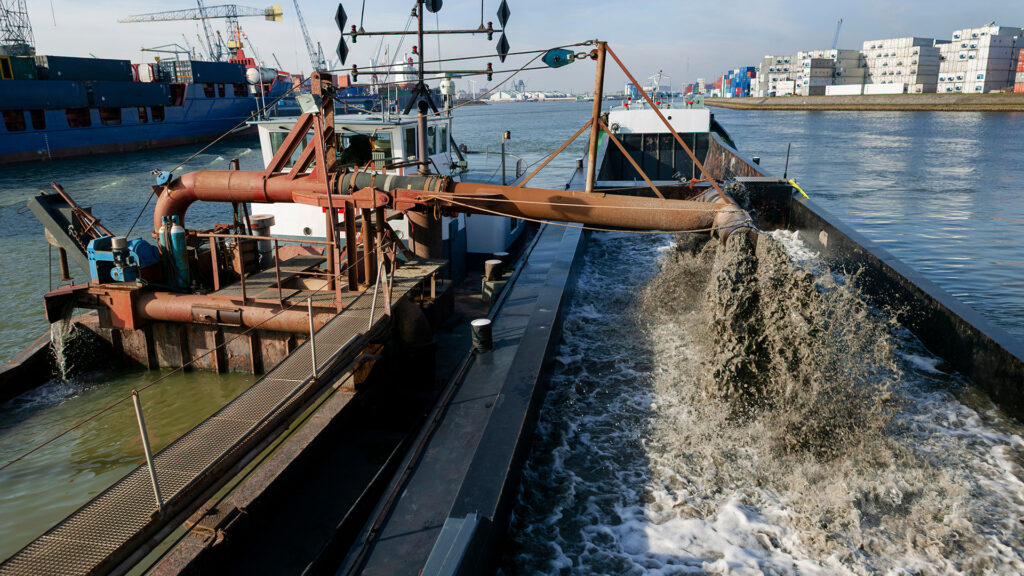
In alluvial mining operations, especially along rivers and floodplains, dredges are used to recover mineral-bearing sediments, while slurry pumps transport the material to separation units. These mining applications require equipment capable of handling high solids content and operating continuously without frequent shutdowns.
Quarries and hard-rock mining sites rely heavily on pumping systems for wet processing, wash plants, and tailings handling. Slurry pumps move abrasive mixtures of crushed rock and water, while dewatering pumps keep pits and benches workable, particularly during monsoon and peak rainfall periods.
For coal, limestone, and industrial mineral projects, pumps support both extraction and processing stages. Dewatering is critical to maintain safe working conditions, and process pumps ensure steady material flow to crushers and beneficiation units.
Beyond mining, port dredging and infrastructure-linked industrial projects also depend on dredges and pumps. Maintaining access channels, reclaiming land, and managing sediment around ports directly support mineral transport and large-scale construction tied to Nigerian projects.
Understanding these use cases is essential before selecting equipment. In the next section, we break down specific mining applications and explain how pump and dredge requirements differ between alluvial recovery and tailings transport.
From Alluvium to Tailings: Mining Applications that Define Pump and Dredge Demand
Mining conditions in Nigeria are rarely uniform. Equipment requirements change as a project moves from extraction to processing and waste handling. This is where choosing the right industrial pumps and dredges becomes necessary, especially for mining applications that involve abrasive materials and variable water flow.
In alluvial mining, dredges are central to material recovery. Riverbeds and floodplains contain loose sediment mixed with water, requiring dredging systems that can operate continuously while handling fluctuating solids content. Slurry pumps then transport this material to screening or gravity separation units. For Nigeria projects in remote or seasonal river locations, mobility and wear resistance are often more important than high-flow ratings alone.
As operations move into processing and beneficiation, pumping needs shift. Slurry pumps are used to move mineral-rich mixtures between crushers, cyclones, and separators. These mining implementations demand pumps built for abrasion and stable performance under constant load. Any interruption in slurry flow directly affects throughput and recovery rates.

Dewatering is another major requirement across Nigerian mine sites. Open pits, quarries, and underground developments often face groundwater ingress and heavy rainfall. Reliable dewatering pumps keep working areas dry, protect equipment, and prevent slope instability. In many Nigeria projects, dewatering continues throughout the mine life rather than being a one-time activity.
At the final stage, tailings and waste handling place some of the highest demands on pumping systems. Tailings slurries are dense, abrasive, and often transported over long distances. Selecting slurry pumps that can maintain efficiency while minimizing wear is essential to control operating costs and reduce unplanned maintenance.
Each of these mining applications highlights why pump and dredge selection must be tied directly to site conditions.
Selecting the Right Pumps and Dredges for Nigeria’s Operating Conditions
Equipment selection for Nigerian projects cannot be based on catalogue ratings alone. Mining and industrial sites often face abrasive materials, unstable power supply, limited access roads, and long operating hours. These factors directly influence how industrial pumps and dredges should be specified for reliable performance.
The first consideration is material characteristics. Particle size, shape, and solids concentration determine whether a standard process pump is sufficient or a heavy-duty slurry pump is required. Many mining applications in Nigeria involve sharp, abrasive particles that accelerate wear, making material selection for casings, impellers, and liners a priority.
Duty conditions come next. Continuous operation, fluctuating flow rates, and long pumping distances are common across Nigerian projects. Pumps must be sized for real operating points, not peak values, to avoid energy losses and premature failure. For dredging work, this also includes matching pump capacity with dredge type and pipeline layout.
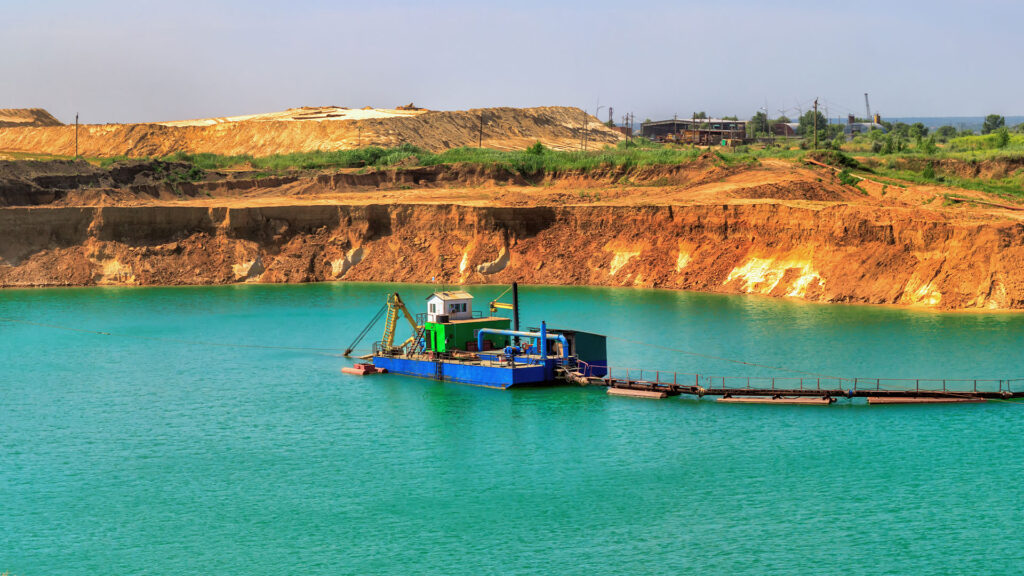
Mobility and installation are equally important. Remote mine sites and river locations often need skid-mounted, trailer-mounted, or excavator-mounted dredging systems that can be deployed quickly. Compact layouts reduce setup time and help projects adapt to changing site conditions.
Finally, maintenance and support play a major role. In many Nigeria projects, access to spare parts and trained technicians determines uptime more than initial equipment cost. Choosing pumps and dredges designed for easy maintenance and backed by technical support reduces long-term operational risk.
With the right selection approach, project teams can avoid common failures and align equipment performance with production goals. In the next section, we look at how operations and maintenance practices help extend pump and dredge life on Nigerian mining sites.
Operations and Maintenance Practices that Keep Nigerian Projects Running
Once equipment is installed, long-term performance depends on how industrial pumps and dredges are operated and maintained on site. In many Nigeria projects, downtime is caused not by incorrect sizing, but by gaps in daily operation and routine maintenance.
For most mining approaches, wear monitoring is the priority. Slurry and dredging pumps operate in abrasive conditions, so impellers, liners, and seals experience gradual degradation. Regular visual inspections and basic performance checks, such as changes in flow rate, pressure, or power draw, help identify wear before it leads to failure.
Planned maintenance schedules are equally important; instead of reacting to breakdowns, successful projects plan shutdowns around production cycles. This reduces emergency repairs and keeps spare parts usage predictable. On remote Nigeria projects, holding critical spares on site often determines whether downtime lasts hours or several days.
Operator training also plays a major role. Pumps and dredges that operate outside their intended range wear faster and consume more energy. Clear operating limits, startup procedures, and shutdown routines help extend equipment life while maintaining steady output.
Environmental conditions must also be considered. Seasonal rainfall, changing sediment composition, and fluctuating water levels affect pump loading and dredge performance. Adjusting operating parameters during these periods helps maintain efficiency and protect equipment.
Regulatory and Environmental Requirements for Nigerian Projects
Mining and dredging operations in Nigeria must comply with clear regulatory and environmental requirements. These rules directly affect how industrial pumps and dredges are selected and operated on Nigerian projects.
Most dredging and pumping activities that involve rivers, wetlands, or groundwater require approvals from federal or state authorities. Extraction applications that disturb water flow or sediment usually need an environmental impact assessment before work begins. If equipment or operating methods do not match the approved plan, projects can face delays or shutdowns.
Environmental control is a practical requirement, not just a compliance issue. Poor sediment control, uncontrolled discharge, or unstable tailings handling can stop operations. Pumps and dredges that allow controlled flow rates and steady operation help reduce these risks and keep sites within approved limits.
Community impact also affects project continuity. Many mining and dredging sites operate near local water users. Clear work zones, controlled dredging depth, and stable pumping operations reduce disruption and complaints.
From a project standpoint, equipment that is easy to monitor and adjust makes compliance easier to manage. This reduces operational risk while keeping production on schedule.
Commercial Models for Pumps and Dredges in Nigerian Projects
Mining and industrial operators in Nigeria use different commercial models depending on project size, duration, and risk level. The choice of model affects how industrial pumps and dredges are deployed and managed across Nigerian projects.
- Capital purchase is common for long-term extraction applications with stable production plans. Owning pumps and dredges makes sense when the equipment will run continuously over several years. This approach offers a lower cost per operating hour over time, but it requires upfront investment and in-house maintenance capability.
- Rental or short-term hire is often used for pilot projects, seasonal dredging, or temporary dewatering needs. Many Nigeria projects face uncertain timelines due to permits, weather, or funding. Renting equipment reduces upfront risk and allows operators to match pump or dredge capacity to actual site conditions before committing to purchase.
- Turnkey or packaged solutions are chosen when project owners want a single point of responsibility. This model typically includes equipment supply, installation support, and, in some cases, operation or maintenance services. It is useful for remote sites or first-time operators who want predictable performance without building a large on-site technical team.
Each model has trade-offs. The right choice depends on project duration, operating conditions, and internal capability. Selecting the correct commercial structure helps ensure that pumps and dredges support production goals without creating unnecessary financial or operational strain.
How Dredge Flow Fits Nigeria Mining and Industrial Projects
Mining and industrial sites in Nigeria need equipment that works reliably in abrasive, wet, and remote conditions. Dredge Flow supplies pumps and dredging systems designed specifically for these operating environments.
For extraction applications, Dredge Flow slurry pumps are used to move mineral slurries from extraction areas to processing units and tailings lines. These pumps are selected based on solids content, particle size, and required head, which helps reduce wear and unplanned downtime on Nigerian projects.
For dewatering, Dredge Flow pumps are used to remove groundwater and rainwater from pits, quarries, and construction zones. This keeps working areas accessible and prevents delays caused by water buildup, especially during heavy rainfall periods.
For dredging work, Dredge Flow equipment is used in riverbeds, channels, and shallow water zones where sediment must be removed and pumped continuously. These systems are applied in alluvial mining and site preparation where steady material flow is required.
In addition to equipment supply, Dredge Flow supports projects with application-based selection and operating guidance. This helps project teams choose the right industrial pumps and dredges and operate them within suitable limits for Nigerian site conditions.
Key Takeaways for Mining and Industrial Pump Planning in Nigeria
Mining and industrial projects in Nigeria rely on pumping and dredging systems from the first stage of work through ongoing operations. Industrial pumps and dredges are required for material movement, dewatering, and sediment control across a wide range of extraction applications and Nigerian projects.
Project outcomes depend on matching equipment to real site conditions. Factors such as solids content, abrasion level, water volume, operating hours, and site access must guide pump and dredge selection. Incorrect sizing or generic equipment choices often lead to high wear, frequent stoppages, and increased operating costs.
Operations and maintenance planning is equally important. Regular inspections, planned maintenance, trained operators, and access to spare parts help maintain consistent output and reduce downtime. Environmental and regulatory requirements also influence how pumping and dredging systems are operated on site.
By focusing on practical selection, clear operating limits, and reliable support, mining and industrial operators can improve equipment performance and project stability across Nigerian projects.
Mining and industrial projects in Nigeria need pumps and dredges that can handle water, slurry, and sediment without frequent failure. Choosing the right industrial pumps and dredges based on site conditions helps reduce breakdowns, maintenance issues, and delays across Nigeria projects.
Clear equipment selection, proper operation, and reliable support are key to keeping mining applications running smoothly.