
Nigeria’s mining and water treatment operations continue to expand, and both sectors face increasing demands for efficiency, reliability, and consistent sediment control. Many operators still use older systems that cannot handle abrasive materials or high-solids content, resulting in repeated downtime and increased operating costs. This has created a strong need for advanced solutions, such as electric dredge pumps, that deliver reliable performance and reduced maintenance in challenging environments.
Modern Nigeria dredge pumps are now expected to support heavy-duty applications ranging from mineral extraction to industrial sludge removal. Electrically driven systems are becoming the preferred choice because they deliver predictable output, improved energy efficiency, and better control during mining and water treatment dredging activities.
Dredge Flow is working closely with these industries by supplying electric dredge pump systems that match local site conditions, material characteristics, and long-term operational goals. This blog explains how new technology in electric dredging equipment is improving performance in Nigeria and how Dredge Flow helps businesses adopt solutions that reduce cost and downtime.
Understanding Dredge Pumps in Practical Industrial Use
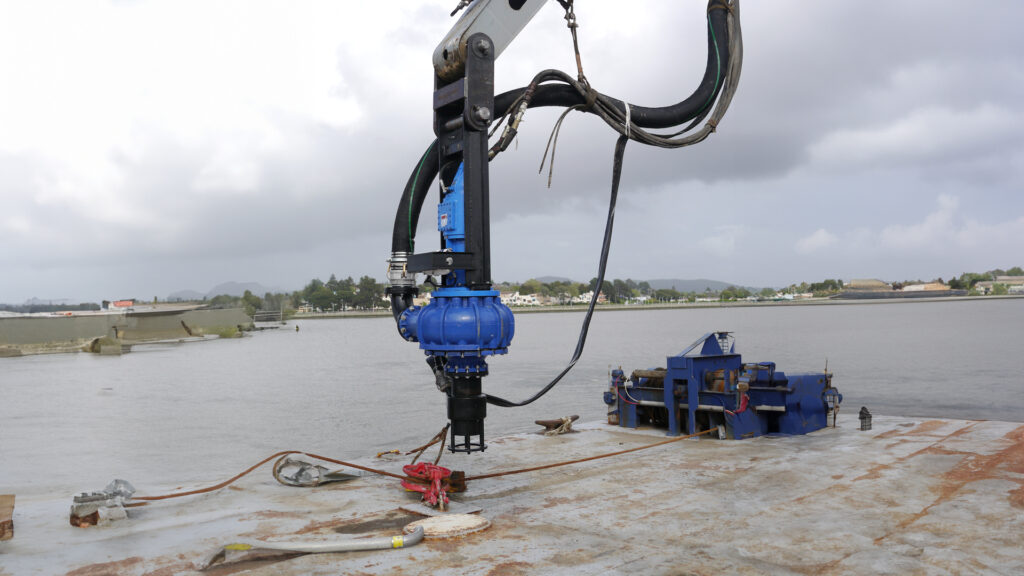
Electric dredge pumps are engineered to provide consistent, controlled slurry flow in demanding environments where high-solids, abrasive materials are common. Unlike diesel-driven systems that require frequent servicing and fuel management, Nigeria dredge pumps operate with steady power delivery and minimal mechanical complexity. This makes them suitable for continuous operation in mining pits, tailings ponds, sedimentation tanks, and sludge-handling facilities across Nigeria.
At the core of these pumps is an electric motor designed to efficiently transmit torque to the impeller. This configuration supports higher solids concentration, improved flow stability, and reduced wear on internal components. For many operators using Nigeria dredge pumps, this translates into longer equipment life and fewer unplanned stoppages.
A key advantage is the precision offered by electronic control panels and variable-frequency technology. Operators can adjust pump speed, manage flow rates, and adapt to changing slurry density with better accuracy. These capabilities are especially important in mining and water-treatment dredging, where material characteristics vary throughout the day, and reliable control determines the overall efficiency of the operation.
Dredge Flow integrates these attributes into its product range by focusing on heavy-duty materials, abrasion-resistant casings, and pump designs optimized for the sediment types commonly found at Nigerian sites. The company’s technical support also helps clients select the correct pump size, motor rating, and discharge configuration for their specific project needs.
How Dredge Pumps Address Key Challenges in Nigeria’s Mining Sector
Mining operations in Nigeria handle abrasive slurry, sand-packed layers, clay-rich material, and tailings, all of which require reliable transfer systems. Traditional pump setups often struggle with these conditions, leading to frequent clogging, reduced pumping efficiency, and higher maintenance costs. The shift toward Nigeria dredge pumps is driven by the need to reduce downtime and handle heavy solids without risking equipment failure.
A common problem in mining pits is the variability of slurry density. When density increases, conventional pump systems lose efficiency or overheat. Electrically driven models maintain stable torque and controlled speed, preventing sudden performance drops. This makes them ideal for continuous extraction, tailings transport, and handling of high-concentration mixtures typical of Nigerian mining sites.
Moreover, wear and tear is another challenge. Abrasive minerals and sharp particles can quickly damage internal pump components. Modern Nigerian dredge pumps designed for mining applications use specialized alloys, reinforced casings, and heavy-duty impellers that reduce wear, even in high-impact environments. These improvements enable mining teams to achieve longer operating cycles and more predictable maintenance schedules.
Energy cost management is becoming increasingly important for mining operators. Electric systems consume less power over time than diesel units, particularly in long-duration pumping projects. They also deliver higher efficiency under variable-flow conditions, further reducing operating expenses over the equipment’s lifecycle.
For operators involved in mining and water treatment dredging, Dredge Flow supports project planning by recommending pump configurations based on particle size, site depth, material characteristics, and expected pumping distance. This ensures the selected pump is suited to the abrasion level and volume requirements at each mining location.
Applications in Water Treatment and Sludge Management Across Nigeria
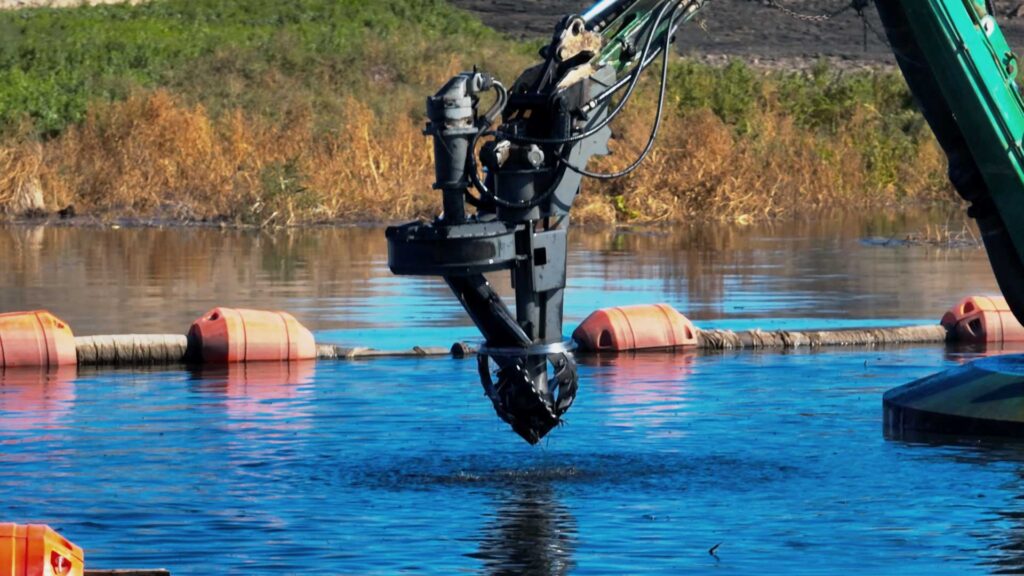
Water treatment facilities in Nigeria manage large volumes of sludge, sediment, and residual solids that must be removed regularly to maintain plant efficiency. Many operators experience performance gaps when using older pumping systems that cannot handle settled solids or thicker sludge layers. This is where Nigeria dredge pumps deliver measurable advantages, thanks to their consistent torque, adjustable speed control, and the ability to handle abrasive slurry.
In municipal water treatment plants, sedimentation basins and clarifier tanks accumulate settled solids, reducing hydraulic capacity. These facilities benefit from submersible electric dredge pumps designed to lift high-density sludge without clogging. The ability to maintain continuous flow allows operators to avoid shutdowns and ensures that treatment processes operate at stable efficiency.
Industrial wastewater systems in Nigeria also handle heavier sludge that contains sand, grit, chemical residues, and organic solids. Electrically driven pumping systems allow plant engineers to adjust pump speed as material characteristics change, thereby improving flow consistency and preventing overload conditions. This level of control is valuable during mining and water treatment dredging, where solid percentages vary throughout the cleaning cycle.

For lagoon dredging and general sludge removal, Dredge Flow supplies pumps designed to resist abrasion and maintain performance even when solids concentrations are high. The company’s product range supports both fixed installations and mobile setups, enabling teams to deploy equipment according to plant layout and operational requirements.
The environmental benefits are another factor in adoption. Electric systems generate less noise, reduce emissions, and provide cleaner operation in densely populated or regulated zones. This makes them suitable for municipal bodies, private industrial facilities, and contractors working under strict compliance guidelines.
By supplying Nigeria dredge pumps built for these conditions, Dredge Flow helps facilities achieve more efficient sludge extraction cycles, lower energy consumption, and longer equipment service life.
Innovations Driving the Next Generation of Nigeria Dredge Pumps Technology
Recent upgrades to dredge pumps in Nigeria are reshaping how Nigerian industries approach sediment removal, slurry handling, and site maintenance. These innovations focus on improving durability, reducing power consumption, and enhancing control in environments in which material consistency varies frequently. For operators engaged in mining and water-treatment dredging, these improvements translate directly into higher productivity and lower total operating costs.
One of the most significant developments is the use of advanced materials that extend pump life. Abrasion-resistant alloys, hardened impellers, and reinforced casings allow pumps to handle harsh slurry with fewer component failures. This is especially relevant in Nigeria, where mining sites often contain sharp particles, mineral fragments, and heavy sand loads.
Another innovation is the integration of variable-frequency drive systems, which enable operators to control pump speed with precision. By adjusting speed in response to slurry density or flow requirements, operators can maintain stable performance and prevent excessive wear. This feature also supports improved energy management, thereby lowering operating costs for facilities using Nigerian dredge pumps in round-the-clock operations.
Pump design has also progressed toward modular configurations. These designs simplify maintenance and allow faster replacement of wear parts. For remote or high-duty locations, modularity helps reduce downtime and keeps operations running without extended delays.
Improved sealing technologies have reduced the risk of leakage in abrasive applications. This is important for safety, environmental compliance, and long-term equipment reliability. Water treatment plants and industrial facilities benefit from these improvements because sludge pumping requires clean operation and controlled discharge.
Monitoring capabilities are also becoming more common. Modern Nigeria dredge pumps can be paired with sensors that track vibration, temperature, and load conditions. This supports predictive maintenance and allows teams to identify issues before they cause operational interruptions.
Dredge Flow aligns with these innovations by offering equipment built with durable materials, high-efficiency motors, and control systems that perform well in Nigerian industrial environments. The company ensures that each pump configuration meets the project’s technical requirements, thereby ensuring that clients receive solutions aligned with their operational goals.
How Dredge Flow Serves as a Strategic Partner for Nigeria’s Industrial Dredging Needs
As mining activities, infrastructure projects, and water treatment facilities expand across Nigeria, the demand for reliable Nigeria dredge pumps continues to increase. Many operators require more than equipment supply alone. They need a partner that understands local materials, site conditions, and operational constraints. Dredge Flow fulfills this role by providing technical guidance, durable product options, and reliable support for both small- and large-scale dredging requirements.
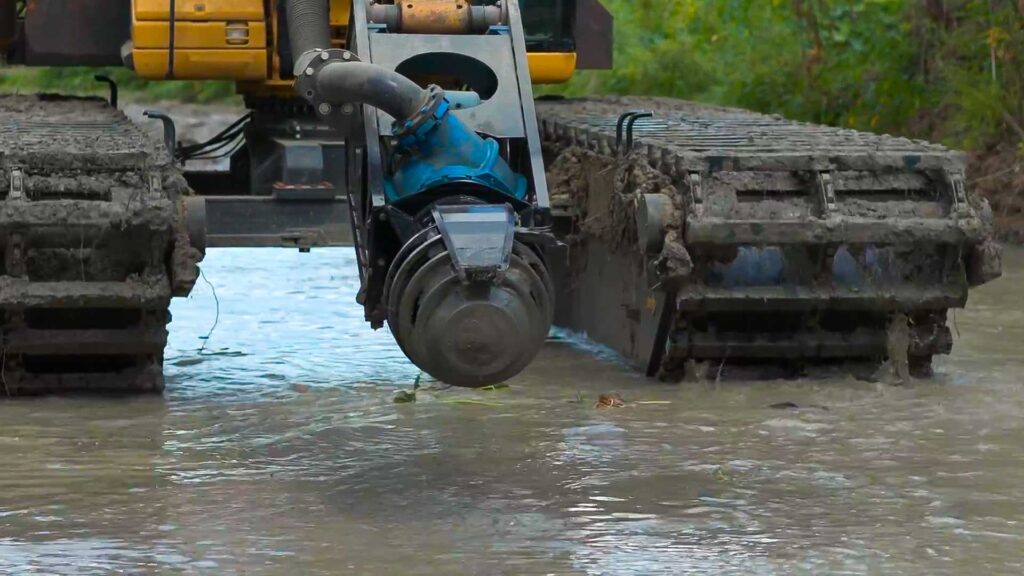
Dredge Flow’s product portfolio includes dredge pumps, slurry pumps, dewatering pumps, and associated components, all built to handle high-solids, abrasive environments. These systems are engineered for long duty cycles, stable output, and consistent performance in demanding applications such as mining and water treatment dredging. Clients benefit from equipment designed to withstand harsh Nigerian site conditions without frequent failures or excessive maintenance.
A key strength of the company is its ability to align pump selection with material characteristics and project layout. Dredge Flow works with clients to evaluate factors such as particle size, slurry density, pumping distance, expected head, and installation requirements. This ensures that each pump configuration supports efficient operation and long equipment life. This approach is particularly important when electric dredge pumps are used in critical processes, such as tailings transport, sludge extraction, and sediment management.
Dredge Flow also supports operational continuity through the availability of spare parts and responsive after-sales service. Mining teams, construction contractors, and water treatment operators often work in time-sensitive environments. By ensuring access to replacement parts and technical assistance, the company helps reduce downtime and maintain productivity.
Another factor strengthening Dredge Flow’s position is its understanding of Nigeria’s industry. The company considers power availability, environmental constraints, and local material composition when recommending equipment. This level of local awareness enables clients to adopt electric dredge systems with confidence, knowing the technology is compatible with on-site challenges.
Through these strengths, Dredge Flow operates not only as an equipment supplier but as a long-term technical partner for companies that depend on efficient dredging systems to meet production and regulatory goals.
Practical Guide for Selecting the Right Electric Dredge Pump
Choosing the right pump starts with understanding the material you need to move. At mining sites, operators should check the amount of sand, gravel, or tailings present, as high solids content requires a pump with greater abrasion resistance. In water treatment plants, sludge thickness and basin depth help determine whether a submersible or surface unit is more suitable.
The next step is reviewing the pumping distance and height. Longer pipelines or higher discharge points need a pump with higher head capability. Power availability also matters, since Nigeria dredge pumps operate most effectively when the site has a stable power supply.
Dredge Flow helps clients assess these factors so that the selected pump matches the actual job conditions. This avoids the use of oversized equipment, reduces operating costs, and ensures reliability for both mining and water-treatment dredging.
Practical Applications Seen in Nigerian Projects
Electric dredge pumps are used in several types of projects across Nigeria. In mining, they are commonly used to transport tailings from pits to containment areas, particularly when the material contains sand and fine minerals. These conditions require pumps capable of continuous operation without clogging.
Sand mining along riverbanks is another example. Operators often handle dense slurry that requires a steady flow to processing units. Nigeria dredge pumps deliver consistent output, helping meet production targets.
In water treatment plants, the pumps are used to clear sludge from clarifiers, sedimentation tanks, and lagoons. The controlled speed and stable performance of electric systems enable solids removal without disrupting plant operations.
Industrial facilities also use these pumps to manage wastewater pits in which grit and heavy sediment accumulate. The ability to handle variable solids makes electric pumps suitable for routine cleaning and maintenance tasks.
These scenarios reflect typical work environments in which Dredge Flow supplies equipment and supports clients with pump selection, setup, and ongoing maintenance.
Points to Consider Before Using Electric Dredge Pumps
Before adopting electric dredge pumps, operators should consider several practical factors. The first is the reliability of the site’s power supply. Mining areas with unreliable electricity may require backup systems or contingency planning to avoid interruptions.
Another point is the nature of the material being pumped. An abrasive slurry will require pumps with more durable wear parts, which affects maintenance planning. It is important to confirm that spare parts are available and that the pump design is suitable for the expected solids load.
Installation conditions also matter. Sites with limited access or tight spaces may require a submersible pump, while open areas may support a surface-mounted setup. Proper sizing is essential because using an oversized or undersized pump can increase cost and reduce efficiency.
Dredge Flow facilitates clients’ review of these points during the selection process. This ensures that the selected pump meets the site requirements and reduces the risk of performance issues during operation.
Conclusion
Electric dredge pumps are increasingly a practical choice for Nigeria’s mining and water treatment industries because they offer consistent performance, reduced maintenance, and improved control over slurry handling. They are well suited to tailings transport, sand extraction, sludge removal, and general sediment management across a wide range of project conditions.
For companies seeking reliable equipment, proper pump selection and setup are essential. Dredge Flow supports this process by supplying pumps built for heavy-duty work and by helping clients match the equipment to the material and site layout. This allows operators to reduce downtime, improve efficiency, and manage costs more effectively.
As demand grows for efficient dredging solutions in Nigeria, electric dredge pumps offer a practical means to upgrade existing operations and meet industry requirements.